
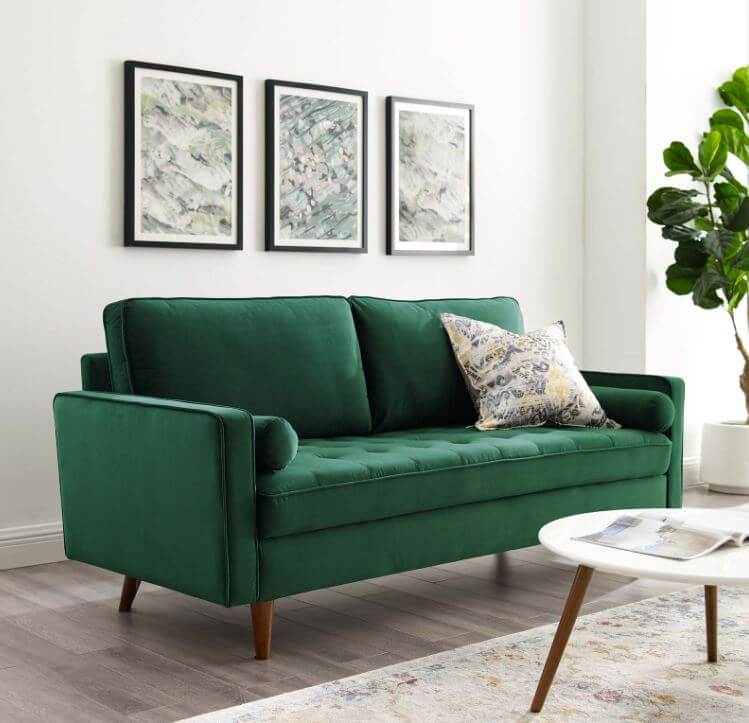
In today’s eco-conscious world, interior design is evolving to reflect values of sustainability, mindfulness, and responsible sourcing. One of the most impactful — yet often overlooked — choices in a home makeover is the sofa upholstery fabric you choose for your sofa. If you’re ready to update your living space without compromising the planet, sustainable sofa upholstery is the perfect starting point.
This blog explores eco-friendly upholstery options, what to look for when shopping, and where to source high-quality, sustainable materials for your next sofa makeover.
Why Sustainability Matters in Upholstery
Your sofa is one of the largest and most frequently used pieces of furniture in your home. Choosing sustainable upholstery reduces environmental impact in several ways:
Lower carbon footprint: Eco-friendly fabrics are often made with reduced water and energy use.
Non-toxic materials: Many traditional fabrics are treated with harmful chemicals that release VOCs (volatile organic compounds) into your home.
Waste reduction: Sustainable fabrics are typically biodegradable or recyclable, helping to reduce landfill waste.
By choosing green alternatives, you’re not only improving indoor air quality but also supporting ethical production practices.
Top Eco-Friendly Upholstery Fabrics
Here are some of the most sustainable and stylish upholstery fabrics available today:
Organic Cotton
Why it’s eco-friendly: Grown without pesticides or synthetic fertilizers, organic cotton is breathable, soft, and biodegradable.
Best for: Casual, cozy sofas and family-friendly homes.
Linen (Flax-Based)
Why it’s eco-friendly: Linen is derived from the flax plant, which requires minimal water and pesticides. It’s naturally antibacterial and extremely durable.
Best for: Minimalist, earthy interiors with a relaxed feel.
Hemp
Why it’s eco-friendly: Hemp grows quickly, needs little water, and regenerates the soil. It’s one of the most durable and long-lasting upholstery options.
Best for: High-traffic areas or vintage-inspired spaces.
Recycled Polyester (rPET)
Why it’s eco-friendly: Made from post-consumer plastic waste like water bottles, rPET helps reduce ocean-bound plastic and landfill waste.
Best for: Modern homes and those looking for a durable, stain-resistant option.
Wool
Why it’s eco-friendly: Wool is renewable, biodegradable, and often naturally fire-resistant, reducing the need for chemical treatments.
Best for: Classic, luxurious interiors and cooler climates.
Tencel™ (Lyocell)
Why it’s eco-friendly: Produced from sustainably sourced wood pulp with a closed-loop process that recycles 99% of solvents used.
Best for: Sleek, contemporary designs with a silky feel.
Certifications to Look For
When shopping for eco-friendly upholstery, certifications help you identify truly sustainable products. Look out for:
GOTS (Global Organic Textile Standard): Ensures organic status from harvesting through manufacturing.
OEKO-TEX Standard 100: Guarantees fabrics are tested for harmful substances.
Cradle to Cradle Certified™: Indicates products are safe, circular, and responsibly made.
GREENGUARD Gold: Ensures low chemical emissions for healthier indoor air.
These labels can guide you toward fabrics that are both safe and sustainable.
Where to Find Sustainable Upholstery Fabrics
The demand for sustainable home materials is growing, and many suppliers now specialize in eco-conscious upholstery. Here are some trusted sources:
Crypton Home (Performance + Sustainability)
Known for stain-resistant fabrics, Crypton now offers Greenguard Gold-certified upholstery that’s durable and easy to clean without compromising sustainability.
Two Sisters Ecotextiles
A pioneer in sustainable textiles, Two Sisters offers luxurious, chemical-free fabrics made from organic cotton, hemp, and wool — all produced using ethical labor practices.
Camira Fabrics
This UK-based company produces wool and hemp-based fabrics using recycled and biodegradable materials. Camira is especially popular among designers working on commercial and residential projects.
Fabricut’s “Sustainable Choices” Collection
One of the largest distributors of home fabrics, Fabricut offers a curated line of GOTS-certified and OEKO-TEX-certified upholstery materials.
Etsy and Local Artisans
Many independent makers on Etsy or local upholstery shops now offer handcrafted, sustainable fabric options. Shopping small often means more transparency and customization.
Tips for Choosing the Right Eco Fabric
Consider durability: High-traffic areas need strong, tightly woven fabrics like hemp or recycled polyester.
Check care requirements: Some natural fabrics may require professional cleaning.
Go neutral: Earthy tones not only reflect eco-conscious living but also offer timeless appeal that won’t go out of style.
The Bigger Picture: Reupholster, Don’t Replace
Choosing sustainable fabric is only part of the equation. If your sofa’s frame is still in good condition, reupholstering is a more sustainable alternative to buying new. It reduces furniture waste, supports local craftsmen, and gives new life to well-loved pieces.
Pair your eco fabric with natural latex foam, jute webbing, or coconut coir for a truly green interior makeover.
Final Thoughts
Sustainable sofa upholstery Abu Dhabi is more than a trend — it’s a conscious lifestyle choice. By investing in eco-friendly materials, you’re enhancing your home’s beauty while reducing your environmental impact. Whether you’re reupholstering an heirloom piece or selecting fabric for a new purchase, your choices matter — to your health, your home, and the planet.
