
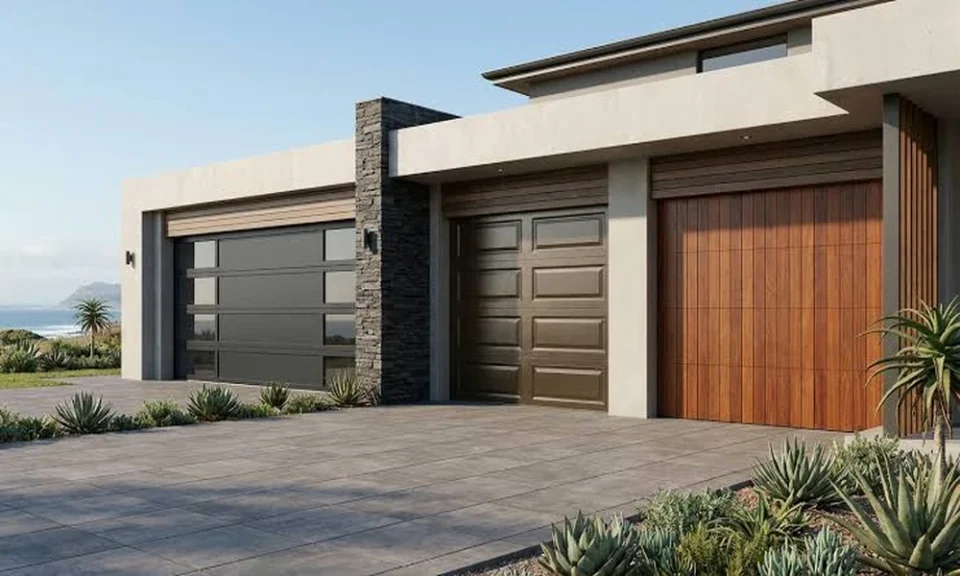
A garage door is often the first thing people see and the last line of defense against weather and intruders. When it comes to longevity, not all garage doors are created equal. The right material and design can save years of maintenance, headaches, and unexpected expenses. So, which material promises the most durability for your home?
What Makes a Garage Door Long Lasting?
Not all garage doors wear the years equally. Durability comes down to how well a door stands up to weather, physical damage, and the toll of daily opening and closing. Some require regular maintenance, while others are built to shrug off neglect for years.
Key Factors: Durability, Maintenance, and Weather Resistance
Any door, no matter how beautiful, is only as good as its ability to withstand pounding rain, bitter cold, denting impacts, and the relentless sun. The best options blend tough materials, clever insulation, and minimal maintenance.
How Material Choice Influences Longevity
Wood, steel, aluminum, and composite doors all bring different strengths and weaknesses for Canadian winters, coastal corrosion, and everything in between. Your climate, lifestyle, and willingness to perform upkeep should drive your decision.
How Do Wood Garage Doors Perform Over Time?
Nothing beats the natural beauty and warmth of a wood garage door. They offer excellent insulation and can absorb sound, making them a favorite for attached garages or homes seeking a traditional look.
Advantages: Classic Aesthetic and Insulation Benefits
Wood doors add instant curb appeal and deliver a quieter, more energy-efficient garage. The heft of real wood helps buffer temperature swings.
Challenges: Maintenance Needs and Weather Vulnerabilities
The catch? Wood demands vigilance. Without regular painting and sealing, it can warp, crack, or rot, especially in regions with wild temperature shifts or heavy moisture. Neglect shortens its lifespan dramatically.
Ideal Climates and Usage Scenarios for Wood
Wood shines in dry, moderate climates and for homeowners eager to invest time in routine upkeep. In harsher settings, the extra work may outweigh those aesthetic gains.
What Are the Strengths and Weaknesses of Aluminum Doors?
Aluminum brings a modern, streamlined look and is much lighter than steel. It resists corrosion, making it a smart pick for coastal homes where salty air can wreak havoc on metal.
Corrosion Resistance and Lightweight Design
Powder-coated or anodized aluminum doors stand up to rust, meaning less worry about peeling paint or structural decay. Their lightness can also reduce wear on garage door openers and hardware.
Impact Resistance Compared to Steel and Wood
While tough against weather, aluminum is softer than steel and can dent more easily if struck. Unlike wood, those dents are often visible and can be tricky to repair.
Cost Considerations and Ideal Environments
Aluminum doors cost more up front than basic steel but less than premium wood or composite. They shine in coastal or humid climates where corrosion is the main enemy.
Why Are Steel Doors a Popular Durable Option?
Steel is the workhorse of the garage door world. Its blend of strength, affordability, and versatility makes it the most popular choice in many Canadian homes.
Durability and Strength Against Physical Damage
Double-layer or insulated steel doors resist warping and cracking, and they take daily knocks in stride. Their weight offers a sense of security.
Insulation and Energy Efficiency Options
Steel doors can be filled with foam insulation, offering improved energy savings and noise reduction. Many come with weather-resistant coatings for greater longevity.
Potential Downsides: Rust and Denting Risks
While strong, steel isn’t invincible. Cheaper or single-layer models can dent more easily, and scratched surfaces may develop rust over time if not touched up.
What Are Composite Garage Doors and How Do They Compare?
Composite doors are the new kids on the block, engineered from layers of wood fibers and resins. They often look like wood but behave more like steel.
Combining Wood Beauty with Steel-Like Maintenance
Composite doors deliver the high-end look of authentic wood grain while skipping most of the maintenance headaches. They arrive pre-finished and keep their appearance with minimal effort.
Resistance to Warping, Rot, and Weather Damage
These doors laugh off humidity, won’t rot, and stay stable through freeze-thaw cycles. Warping and splitting are rarely an issue.
Price Point and Value for Long-Term Use
The trade-off is cost. Composites usually cost more than basic steel or aluminum but can pay off over time with reduced maintenance and superior longevity.
Garage Door Material Comparison Table
| Material | Durability | Maintenance | Weather Resistance | Insulation | Typical Cost | Best For |
|————|————|————-|——————-|————|————-|——————|
| Wood | Moderate | High | Low-Moderate | High | High | Classic style, mild climates |
| Aluminum | Moderate | Low | High | Moderate | Moderate | Coastal areas, modern homes |
| Steel | High | Low-Moderate| Moderate | High* | Low-Moderate| Harsh weather, high-traffic |
| Composite | High | Low | High | High | High | Low-maintenance, all climates|
*Insulated steel doors only
How Do Design Choices Affect Garage Door Longevity?
Sectional, roll-up, and overhead doors each age differently. Sectional doors, with multiple panels, allow for easier repairs if one is damaged. Roll-up doors save space but require precise hardware and maintenance. Overhead doors, especially single-panel types, can stress hinges over time.
Poorly designed or cheaply made mechanisms wear out faster, so sturdy tracks, springs, and weather seals also play a critical role in lifespan.
Which Garage Door Material Best Suits Different Climates and Needs?
If your winters are brutal, insulated steel or composite doors will keep out the cold and resist warping. For homes by the ocean, aluminum offers superior rust resistance. Wood works best for those who can commit to maintenance in stable climates.
How to Choose the Best Garage Door for Your Home?
The right choice starts with your priorities. If you crave a show-stopping look and don’t mind annual maintenance, wood may be worth it. If lowest lifetime hassle and reliable insulation matter more, composite or insulated steel win out. For a modern touch in a corrosion-prone area, aluminum makes sense.
Professional installation and annual tune-ups dramatically improve longevity for any material. Experts suggest that consulting resources like the best residential garage door guide can help match your needs to the right product.
The perfect garage door isn’t just about today’s curb appeal. It’s an investment in comfort, value, and peace of mind for years to come.
