
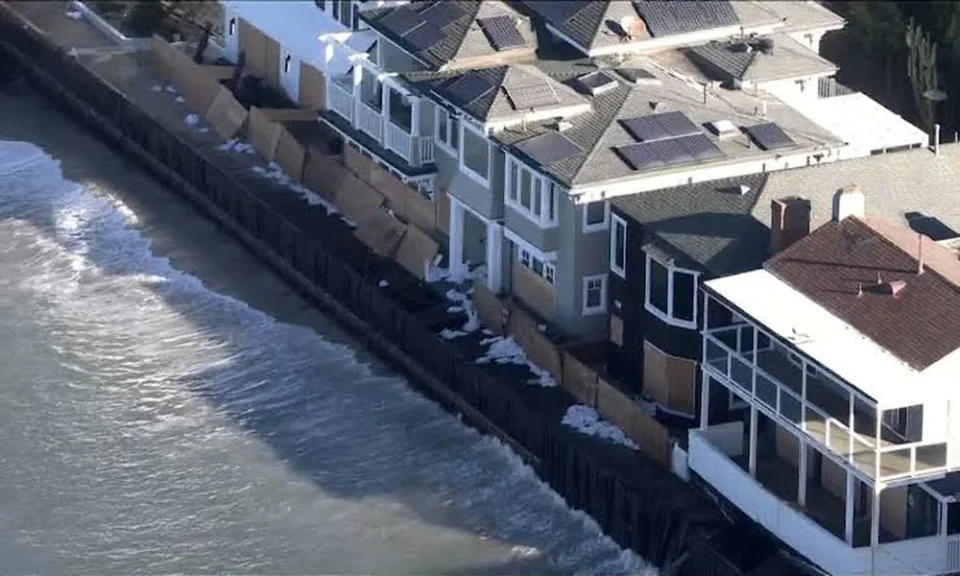
Living near the coast in Ventura County means dealing with a climate that seems mild on paper but works on a house constantly. Fog drifts in off the Pacific through late spring and early summer, dry offshore winds take over in fall, and when winter storms finally show up they often drop weeks of rain in just a few days. Each of those patterns leaves a mark on roofs, walls, floors and the air people breathe indoors.
Most homeowners picture property damage as one dramatic moment. In practice it tends to come from one of four directions. It drifts in through the air, falls from above, escapes from plumbing hidden inside the walls, or rises from the ground under the house. Knowing where a problem started shapes how it should be cleaned, what can be saved and what has to go.
When one of those directions turns into a real emergency around Oxnard, Andiamo Property Restoration is a local team that picks up the phone at any hour, every day of the year. Its crews take on water extraction and drying, mold remediation, fire and smoke cleanup, sewage backups and crawl space encapsulation, and they can pack out and store a family’s belongings while the house is being put back together.
Smoke and Salt Riding the Wind
Fall is when Santa Ana winds push hot, dry air toward the coast, and with them comes the risk of wildfire smoke. A house does not need to be near the flames to be affected. Fine soot slips in through gaps around doors, attic vents, window frames and the HVAC system, settling on surfaces and working its way into fabrics.
Ash deserves more caution than it usually gets. It contains alkaline compounds, and when it mixes with water it can turn caustic enough to etch glass, dull finishes and stain grout. That makes the instinct to grab a damp rag or a standard household vacuum a poor one, since water activates the residue and ordinary vacuums blow the finest particles right back into the room.
After a smoky stretch, a few steps help limit lingering harm.
- Swap the HVAC filter for a fresh one, ideally rated MERV 13 or higher, and check it again a week later.
- Use a HEPA vacuum or dry sponge on dusty surfaces before any wet cleaning.
- Look in the attic, since insulation near vents often catches ash that later sheds into living spaces.
- Launder curtains, bedding and cushion covers, where odor tends to hide longest.
Salt air brings a slower version of the same problem. It corrodes the copper fins on outdoor AC units, hose bibs and metal fittings, and the damp marine layer raises humidity in closed rooms. Closets on shaded walls and the space behind furniture pushed against exterior walls are common places for mildew to appear first.
When Winter Rain Shows Up All at Once
After months without meaningful rain, roofs spend the summer and fall baking. Sealant around flashing, plumbing vents and skylights shrinks and cracks, and gutters fill with leaves and windblown debris. The first big storm of the season is usually the one that finds every weak spot.
Roof leaks rarely drip straight down. Water can travel along rafters and the tops of ceiling joists before showing up as a stain several feet from where it actually came in. Meanwhile, soaked attic insulation compresses and holds moisture against the drywall below. If those materials stay wet for more than 24 to 48 hours, mold has a real chance to take hold.
A quick check before the rainy season goes a long way. Clear gutters and downspouts, make sure downspouts discharge well away from the foundation, look for lifted or missing shingles and tiles, and peek into the attic with a flashlight after the first storm to catch any damp spots early.
Leaks Hiding Behind the Drywall
Plenty of water damage never comes from the weather at all. It starts with ordinary parts that wear out quietly over time, including supply lines under sinks and toilets, washing machine hoses, refrigerator ice maker lines and tank water heaters, which commonly last somewhere around eight to twelve years.
Homes built on concrete slabs have an extra concern. A slab leak can run for weeks before anyone notices. Signs worth watching for include a warm patch on the floor, the sound of running water when every fixture is off, a water meter that keeps moving with nothing in use, and a bill that climbs without explanation.
Restoration professionals sort water into three categories, and the difference matters. Clean water from a supply line starts out relatively safe, but water from appliances counts as gray water, and anything from sewage or outdoor flooding is considered black water. Even clean water can degrade as it sits and picks up contaminants from building materials, which is one more reason speed matters.
Insurance is worth understanding before a leak happens. Many standard policies cover sudden bursts but exclude damage from slow leaks that went on for a long time, and most do not cover outside flooding at all. Photographing everything before cleanup begins makes any claim easier.
Trouble Rising From Below
In low lying parts of the Oxnard plain, groundwater can sit fairly close to the surface, and older homes on raised foundations often have crawl spaces that trap moisture. That damp air does not stay put. It drifts upward into the living space, carrying musty odors and giving mold a foothold on floor joists and subflooring.
Encapsulation addresses this by lining the crawl space with a heavy vapor barrier, sealing vents and gaps, and in some cases adding a dehumidifier. The result is drier framing, fewer pests and a noticeable improvement in indoor air.
Sewer backups are the most unpleasant version of damage from below. Aging clay or cast iron lines, tree roots and heavy storms that overwhelm municipal systems can all push wastewater back into a home. Because it counts as black water, it should never be handled without protective gear, and porous items it touches, such as carpet, pad and upholstered furniture, are usually discarded. A backwater valve and routine line inspections can prevent a repeat.
Deciding What Comes Back Inside
Once the source is stopped and the structure is drying, attention turns to belongings. Hard, nonporous items like glass, metal and sealed ceramics usually clean up well. Paper documents and photographs can often be saved if they are frozen quickly and dried properly later. Soft goods touched by contaminated water or heavy smoke need a careful case by case call.
Moving contents out of the house during repairs protects them from dust, equipment and further moisture, and a detailed inventory keeps track of what was salvaged and what was lost. That record helps with insurance and with the simple peace of mind of knowing nothing slipped through the cracks.
A coastal home will always face some mix of wind, rain, aging pipes and damp ground. Recognizing which direction trouble came from is the first step toward handling it well, and catching it early is almost always the difference between a repair and a rebuild.
