
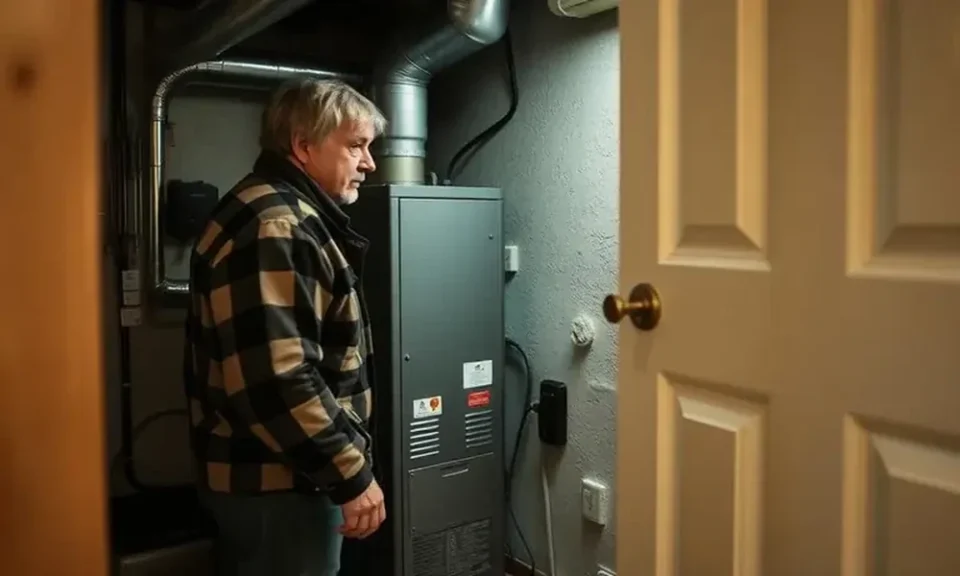
Georgia winters rarely feel brutal until the one night they do. A 28 degree morning arrives, you flip the thermostat, and the house stays cold. By then every heating company in town is booked, and you are stuck wearing a coat indoors. The good news is that most furnaces give clear hints well before they quit. At My Comfort Team, our technicians in Griffin hear the same stories every fall, and nearly all of them start with a sign the homeowner noticed but brushed off.
This guide walks you through what your furnace is trying to tell you, what each signal usually means, and when it is time to call a professional.
Listen First: What Your Furnace Sounds Are Saying
Your furnace should hum along quietly. When the soundtrack changes, something inside has changed too.
Banging or popping on startup. A loud bang when the burners ignite can point to delayed ignition or dirty burners. Gas builds up for a moment before lighting, and that small delay is hard on the system. A quiet pop from ductwork as it warms is normal. A bang is not.
Squealing or grinding. High-pitched squeals often come from a worn blower motor belt or dry bearings. Grinding is more serious and can mean a failing motor. Keep running it and a repair can turn into a replacement.
Rattling panels. Loose screws or access panels are cheap fixes, but rattling can also hint at a cracked component, so it deserves a look.
Use Your Nose and Eyes Too
Sound is only one clue. Walk around your furnace with all five senses switched on.
- A dusty, burning smell the first time you run heat each year is normal. It should fade within a few hours. If it lingers, shut the system off and call us.
- A rotten egg odor can signal a gas leak. Leave the home right away and contact your gas utility from outside.
- A yellow or flickering burner flame instead of a steady blue one often points to incomplete combustion.
- Soot or rust streaks around the furnace or vent pipe suggest poor venting or moisture problems.
The Quiet Signs That Hide in Your Utility Bill
Not every warning is loud. Some arrive by mail.
If your gas or electric bill climbs while your habits stay the same, your furnace is likely working harder to deliver the same warmth. Dirty filters, worn parts, and duct leaks all force longer run times. Uneven rooms tell a similar story. When the living room is toasty and the back bedroom stays chilly, airflow is being blocked or lost somewhere along the way.
Short cycling is another quiet culprit. If the furnace turns on, runs for a few minutes, shuts off, and repeats, it is stressing its own parts and wasting fuel. A clogged filter, an oversized unit, or a faulty sensor is usually behind it.
Why Carbon Monoxide Makes Fall Checkups Non-Negotiable
Comfort is the reason most people schedule maintenance. Safety is the better reason. Furnaces that burn gas, oil, or propane produce carbon monoxide, a colorless and odorless gas, and a damaged heat exchanger or blocked vent can let it into your living space.
The U.S. Consumer Product Safety Commission and the CDC have jointly urged households to have fuel-burning heating systems inspected by a qualified technician every year and to install working carbon monoxide alarms outside each sleeping area. They also point out that heating systems are the leading source of these poisonings. Early symptoms such as headache, dizziness, and nausea are easy to mistake for the flu, which is exactly why prevention matters more than detection.
A Simple Pre-Winter Checklist You Can Do Yourself
You do not need tools for these steps, and they take less than twenty minutes.
- Check the filter. Hold it up to the light. If you cannot see through it, replace it. Plan on checking monthly during heating season.
- Clear the area. Keep boxes, paint cans, and laundry away from the furnace and around supply and return vents.
- Test your alarms. Press the test button on every carbon monoxide and smoke alarm, and swap batteries if needed.
- Run a trial cycle. Set the thermostat a few degrees above room temperature and watch the startup. Note any odd sounds or smells.
- Walk the house. Feel for weak airflow at vents, and write down which rooms run cold.
If anything on that list looks or sounds wrong, you have just saved a technician time and gained a clear description to share when you call.
What Happens During a Professional Tune-Up
A tune-up is more than a quick glance. A thorough visit typically includes:
- Inspecting the heat exchanger, burners, and flame sensor
- Checking gas pressure and combustion performance
- Testing safety switches and the thermostat
- Cleaning components that collect dust and soot
- Verifying that venting is clear and properly sealed
- Measuring airflow and checking the blower assembly
Catching a worn part now costs far less than replacing the part, and sometimes the whole system, after a midwinter breakdown.
Repair or Replace? A Fair Way to Decide
Furnaces last many years, but age and repair history matter. Consider replacement if your unit is well past the typical lifespan, needs repeated repairs, or has a cracked heat exchanger. Ask your technician for honest numbers on repair cost against the efficiency gains of a newer model. A reputable company will lay out both options and let you choose without pressure.
Do Not Wait for the Cold Snap
Heating season is the busiest time of year for every HVAC company. Booking a checkup early gives you flexible scheduling, time to budget for any repairs, and peace of mind when the temperature drops. If your furnace has been making noise, running longer, or just feels off, call My Comfort Team at 678-994-6011 to schedule service in Griffin and the surrounding Georgia communities. A short visit this month can keep your home warm and your family safe all winter long.
