
The water coming out of a tap in Leander begins its journey in Lake Travis, a reservoir northwest of Austin, according to the city’s drinking water reports. By the time it reaches a tank in a garage or hallway closet, it is carrying a fair amount of minerals along for the ride. Plumbers who work on Leander water heaters, including crews based in nearby Georgetown, will tell you that those minerals, not age alone, decide how long a tank survives. Six small habits push the odds in your favor.
Drain the Tank Before It Drains You
Minerals settle at the bottom of a tank as sediment. Left alone, that layer insulates the water from the burner or element, so the heater works harder, makes noise and loses efficiency. A yearly flush clears most of it out. Homes with especially hard water may need a flush more often, and local plumbers point out that Central Texas water is on the mineral rich side.
If the drain valve will not release water when you open it, stop and call a professional. A clogged valve is not something to force.
Meet the Anode Rod
Inside every tank is a metal rod whose job is to corrode first so the tank walls do not. Think of it as a sacrificial bodyguard. Checking it once a year is a good rule, and this water heater maintenance guide from a manufacturer walks through the whole annual routine. A healthy rod is smooth and roughly half an inch thick. When it is badly eaten away or has several inches of bare core wire showing, replace it.
How fast the rod wears depends on your water chemistry, how much hot water you use and whether you run a softener. A softener can protect pipes and fixtures from scale, but it may change how quickly the rod is consumed, so ask your plumber to look at both.
Turn the Dial Down a Little
Most tanks perform well when the thermostat sits around 120 degrees or lower. Hotter water raises the scald risk, especially around children and older adults, and it wastes energy. Going much cooler can encourage bacteria to grow in the tank. A middle setting is the sweet spot, and a quick check with a kitchen thermometer takes less time than brewing coffee.
Lift the Lever Once a Year
The pressure relief valve is the safety device that keeps a tank from building dangerous pressure. Lift its lever briefly to confirm that water flows, then let it snap shut. Have a professional inspect the valve about every five years.
A valve that drips regularly is a message. Check your household water pressure, because high pressure can force the valve open, and ask whether a thermal expansion tank belongs in your system. Many homes keep going for years with a quietly weeping valve that is begging for attention.
Learn the Early Warnings
Water heaters give notice before they quit, but only to people who are listening. Watch for these signals.
- Puddles, rust or dampness near the base of the tank
- Water that runs hot for a few minutes and then fades
- Rumbling or popping sounds from the tank
- A sulfur or metallic smell from the hot tap
- Water that looks cloudy or rusty only on the hot side
If you smell gas near a gas fired unit, treat it as an emergency. Leave the house and call the gas utility before anything else.
Decide Early Between Fixing and Replacing
Many problems can be repaired. A thermostat adjustment or a replaced heating element can add years, and a technician can often tell you in one visit which route makes sense. Still, repair money has a ceiling. A tank that leaks from the body, a unit that keeps failing or one that is well into its second decade is usually better replaced than rescued.
The replacement decision is bigger than it used to be. Here is how the main options compare for a Central Texas home.
- Storage tank heaters are reliable, simple to install and easy to service, and they remain the most common choice locally
- Tankless units heat water on demand and save wall space, though they must be sized so several fixtures can run at once
- Heat pump heaters can cut water heating energy use by as much as 60 percent compared with standard electric models, but they need steady temperatures and good airflow, so tight closets and cold garages are poor spots
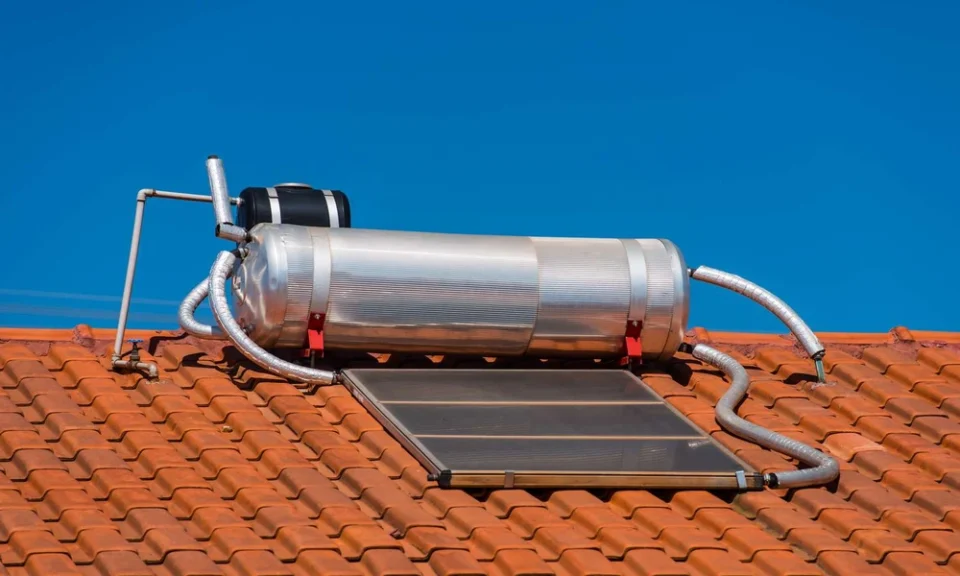
- Solar systems suit new builds and major renovations, since they cost more up front and usually need a backup heater for cloudy stretches
Household size, daily hot water use and available fuel sources should guide the choice. Rebates for efficient equipment are worth checking before you buy.
What Hard Water Does Beyond the Tank
Sediment is not the only side effect. Scale can coat heating elements, clog aerators and showerheads and shorten the life of dishwashers and washing machines. If you see white crust at faucets or spots on glassware, consider asking about whole house filtration or a softener at the same visit as your tank check. Treating the water cuts the load on every appliance downstream, not just the heater.
Getting Help Without Guessing
Plenty of these tasks are safe for a careful homeowner, but flushing a stubborn tank, swapping an anode rod, sizing a tankless unit and diagnosing a failing element are better left to someone licensed. The family owned Georgetown shop lists Leander among the communities it serves, and its technicians handle repairs from simple thermostat work to heating element replacement, along with flushing, anode inspections, leak checks and full installations. Estimates are free, the office is open on weekdays from 8 to 5, and you can reach it at (512) 630-9968 or through the online contact form.
None of this requires a big budget, only a calendar reminder. Start by finding the age of your unit on its label, since that one number puts all the others in context. Then pick a month, maybe the one with the nicest weather, and run through the six habits every year. The reward is a tank that quietly does its job for far longer than the neighbors’ heaters, and a cold shower story you never have to tell.
