
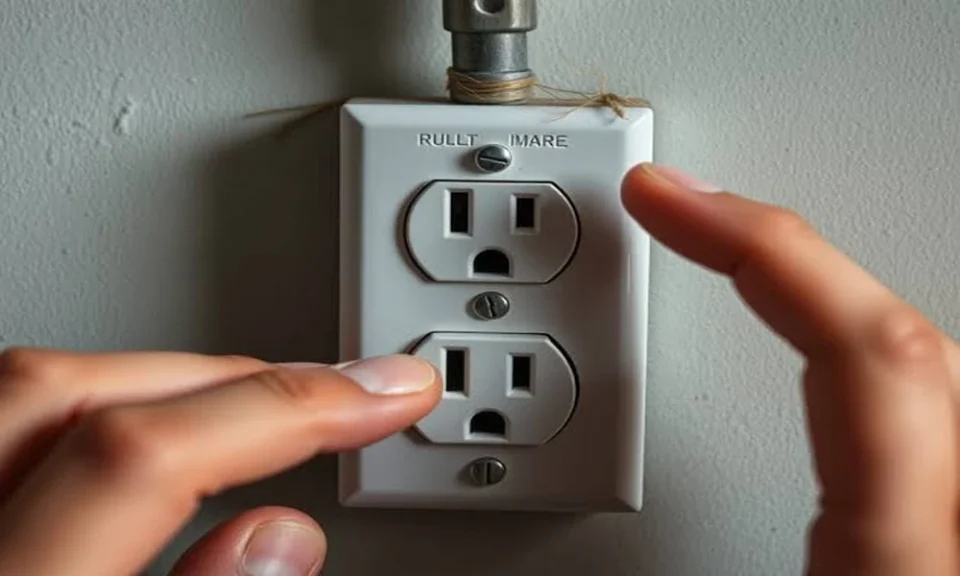
Plenty of older houses still have outlets with just two slots and no round hole underneath. Most owners only notice when a new laptop charger or air fryer won’t fit. That small mismatch actually tells you how the house was wired, what protection it has and what it lacks, and how much has changed in electrical safety since it was built.
For homeowners trying to sort this out, a licensed contractor such as Assured Electric usually starts with a simple inspection to see what’s behind the cover plates before suggesting any change. That first look matters. Two outlets can look the same on the wall and still have very different wiring behind them.
Most homes built before the mid-1960s used two-wire circuits. One wire carried current to the device and the other brought it back. Nothing gave stray electricity a safe path to the earth. Electrical codes later required a third conductor, the equipment ground, and the three-prong outlet came with it.
What the Third Prong Actually Does
The round prong doesn’t power anything during normal use. It sits there as a backup route. If a wire comes loose inside a metal toaster or a frayed cord touches a tool’s metal housing, the ground wire gives that current an easy way out. It flows back to the panel, trips the breaker, and the appliance goes dead instead of turning its case into a shock hazard.
Without that path, a fault can sit there unnoticed. The appliance may keep working normally while its metal surface is energized. The next person to touch it while also touching a sink, a radiator or a damp basement floor becomes the path to ground.
Grounding protects sensitive electronics too. Most surge protectors need a ground to send excess voltage away from your equipment. Plug one into an ungrounded outlet through an adapter and the indicator light may still glow, but much of its protection is gone.
Adapters and Swapped Outlets Create False Confidence
The cheap gray “cheater” adapter is the most common workaround, and it’s the one electricians see most often. Its little metal tab is supposed to attach to the cover plate screw, on the assumption that the metal box behind it is grounded. In many older homes it isn’t, so the adapter just lets a three-prong plug fit without adding any protection.
A riskier version is a three-prong outlet installed on a two-wire circuit with nothing connected to the ground terminal. It looks modern. A buyer, a renter or the next owner has no reason to doubt it. Home inspectors flag these all the time, often with a plug-in tester that shows “open ground.”
Signs worth paying attention to include:
- Three-prong outlets in a house you know is older than the 1960s, with no record of rewiring
- Outlets that feel loose, so plugs slide out with little effort
- A plug-in tester showing open ground or reversed polarity
- Cloth-covered wiring visible in the basement or attic
- Warm cover plates or a faint burning smell near a receptacle
None of these mean a fire is coming. They do mean the wiring hasn’t been checked in a long time.
Three Legitimate Ways Forward
Electrical codes allow several honest fixes, and the right one depends on the house, the budget and how the rooms are used.
Running a new ground wire. Current code allows a separate equipment grounding conductor to be added to an existing circuit without replacing everything. An electrician routes a new ground from the outlet back to the panel or another approved point. In homes with open basements or accessible attics, this can be simpler than people expect.
Installing GFCI protection. A ground fault circuit interrupter compares the current going out on one wire with the current coming back on the other. If even a tiny amount goes missing, possibly through a person, it cuts power in a fraction of a second. Code permits a GFCI to replace an ungrounded two-prong outlet, and the new three-prong outlet must carry a label reading “No Equipment Ground.” The Electrical Safety Foundation International explains how these devices work and how homeowners can test them monthly. A GFCI protects people very well, but it doesn’t give surge protectors the ground they need. That’s why the label matters.
Rewiring the circuit. When the old insulation is crumbling or the circuit is overloaded, patching individual outlets doesn’t make much sense. Pulling new cable with a ground restores everything at once and usually comes with a closer look at the panel too.
Many homeowners combine these. They rewire the kitchen during a remodel, add GFCIs in bedrooms for now, and run a dedicated grounded circuit to the home office where expensive electronics live.
Why This Comes Up More Often Now
Houses today run far more electronics than they were designed for. Smart thermostats, mesh routers, gaming consoles and phone chargers sit in rooms that were once lit by a single bulb. Many of these devices come with three-prong plugs, which pushes owners toward adapters.
Electrification adds pressure as well. Heat pumps, induction ranges and EV chargers usually need new dedicated circuits. When an electrician opens the panel for one of those jobs, the condition of the older branch circuits becomes part of the conversation. Inspectors reviewing the permit may also point out ungrounded outlets in the work area.
Insurance and real estate play a part too. Some insurers ask about wiring age when writing a policy on an older home, and an inspection report full of “open ground” notes can come up during sale negotiations. Dealing with it ahead of time usually costs less than dealing with it under a closing deadline.
Room by Room Priorities
Not every outlet carries the same risk. Kitchens, bathrooms, laundry areas, garages and anything outdoors should come first, since water and electricity are a dangerous mix. Basements belong on that list too, especially ones with concrete floors that stay damp.
Rooms with expensive electronics rank next, since equipment there benefits from real grounding and working surge protection. Bedrooms and living spaces with lamps and phone chargers can usually wait for a planned project, as long as the outlets hold plugs firmly and testers show no other faults.
The smartest approach treats two-prong outlets as information rather than an emergency. They show the age of the system, hint at what might be behind the walls, and give owners a reason to look closer. A careful inspection followed by a plan you can spread out over time turns an old quirk into a safer, more capable house.
