
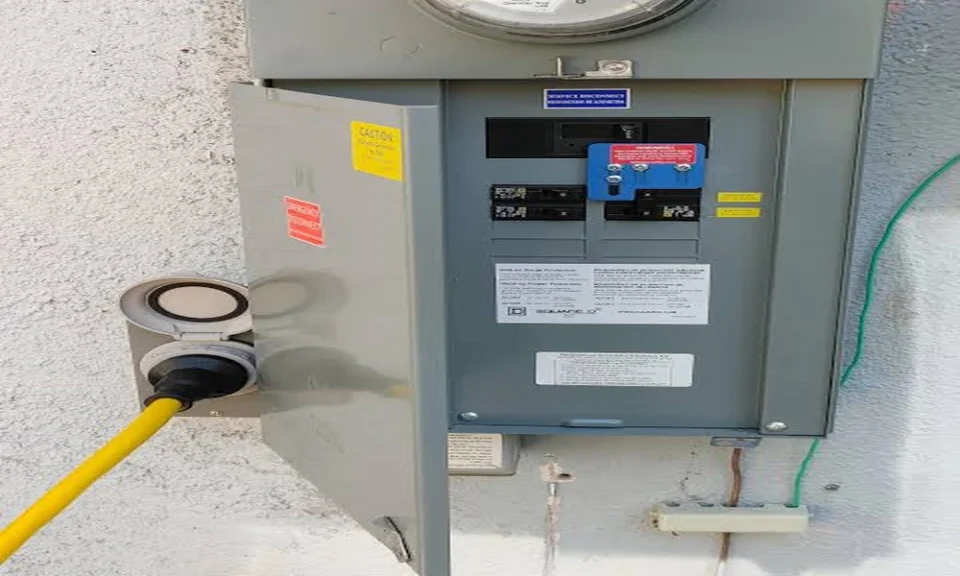
An extended power outage can quickly turn a comfortable Austin home into a difficult place to live. A refrigerator and freezer can stop cooling, the garage door may not open, internet equipment can go offline, and lighting becomes limited. During extreme heat or cold, losing power can also create bigger concerns for homeowners who rely on electrically powered heating, cooling, or other essential equipment.
For many Texas homeowners, installing a large whole-home standby generator isn’t the only way to prepare for an outage. A properly designed portable generator connection can provide another option. One of the most practical approaches is a portable generator interlock kit, which allows a compatible portable generator to supply selected circuits through the home’s electrical panel when utility power is unavailable.
When it comes to adding a portable generator interlock kit for backup power, homeowners in Austin, Texas can work with Tejas Electric for professional electrical services.
The important word here is properly. A generator interlock isn’t simply a matter of purchasing a kit online and attaching it to an electrical panel. The existing panel, generator capacity, electrical loads, generator inlet location, wiring, disconnecting means, and applicable electrical requirements all need to be considered.
What Is a Portable Generator Interlock Kit?
A generator interlock kit is a mechanical device designed to coordinate the utility power connection and generator connection at the electrical panel.
The basic concept is straightforward. During normal conditions, the home’s electrical panel receives power from the utility. If an outage occurs, the homeowner can disconnect from utility power and connect the portable generator through a properly installed generator inlet. The interlock prevents the main utility breaker and generator breaker from being turned on at the same time.
That separation is critical.
A portable generator should never be connected to a home’s electrical system in a way that allows generator power to flow backward onto utility lines. A properly installed transfer or interlock arrangement is designed to prevent that dangerous condition.
Instead of running extension cords throughout the house, a properly designed generator connection can allow selected household circuits to receive power through the existing electrical panel.
This can make a major difference during a long outage.
Why Consider an Interlock Instead of a Standby Generator?
A whole-home standby generator can be an excellent solution for some properties, but it isn’t necessarily the right choice for every homeowner.
Standby generators are permanently installed and typically operate automatically when utility power is lost. They can provide substantial power, but the installation can involve a significant investment in the generator, transfer equipment, fuel system, electrical work, permitting, and other installation requirements.
A portable generator interlock setup takes a different approach.
The homeowner purchases a compatible portable generator and has the home’s electrical system professionally prepared to accept generator power through an appropriate inlet and interlock arrangement.
For a homeowner who doesn’t need every circuit operating during an outage, this can provide a more economical way to establish backup power.
The goal isn’t necessarily to make the house operate exactly as it normally would.
The goal is to keep the most important electrical loads operating while the utility is unavailable.
Start by Determining What You Actually Need During an Outage
Before choosing a generator or interlock kit, homeowners should think about what they actually need to operate.
This is where an electrical load assessment becomes particularly useful.
Imagine an Austin outage lasting several hours. What would you want to keep running?
For many households, the priority list could include:
- Refrigerator
- Freezer
- Essential lighting
- Internet modem and router
- Television or communication equipment
- Garage door opener
- Selected kitchen receptacles
- Phone and device charging
- HVAC equipment
- Medical or other essential electrical equipment
- Security systems
- Sump pumps or other necessary equipment, where applicable
Not every circuit needs to be powered simultaneously.
A portable generator has a finite amount of available power. If too many large appliances are switched on at once, the generator may become overloaded or shut down.
That’s why the backup-power plan should be based on the actual electrical demands of the home.
Refrigerators and Freezers Can Be High Priorities
Keeping food cold is one of the most obvious reasons homeowners want backup power.
A refrigerator doesn’t necessarily consume the same amount of electricity continuously. Its compressor cycles on and off, which means the electrical demand changes over time. Starting certain motor-driven equipment can also require more power than its normal running demand.
The same basic consideration applies to standalone freezers.
When planning a generator system, an electrician can look at the electrical characteristics of the equipment and help determine whether the portable generator has enough capacity to handle the intended loads.
This is especially important when multiple motor-driven appliances could start at approximately the same time.
What About Central Air Conditioning?
For Austin homeowners, air conditioning can be one of the biggest considerations when planning for an extended outage.
A portable generator that can comfortably operate a refrigerator and several lights may not necessarily have enough capacity to operate a central air-conditioning system.
The starting and running requirements of HVAC equipment need to be considered before assuming it can be included in the backup-power plan.
In some situations, homeowners may decide that keeping a central HVAC system operational is a priority. In others, they may choose a smaller generator and concentrate on refrigeration, lighting, communications, and essential receptacles.
There isn’t one generator size that works for every Austin home.
The generator and electrical system should be matched to the homeowner’s actual priorities.
Don’t Forget the Garage Door
A garage door opener might not seem important until the power goes out and the homeowner realizes the automatic opener isn’t working.
For households that regularly enter and exit through the garage, keeping the garage door opener available can be surprisingly useful during an extended outage.
A generator-backed circuit can potentially keep that equipment operational, depending on how the home’s electrical system is configured.
It’s another example of why planning the individual circuits ahead of time can make a backup-power system much more useful.
Internet and Communication Equipment Matter Too
Modern homes depend heavily on internet connectivity.
During an extended outage, keeping a modem, router, Wi-Fi equipment, phone chargers, and other communications equipment operating can help homeowners stay connected.
A small amount of generator capacity can go a long way when dedicated to these relatively modest loads.
Homeowners may also want to identify which receptacles are most convenient for charging phones, laptops, battery packs, and other essential devices.
Instead of trying to power every outlet in the home, the electrical plan can concentrate backup power where it’s actually needed.
Why Your Electrical Panel Should Be Evaluated First
One of the most important steps in an interlock installation is evaluating the existing electrical panel.
Not every panel is automatically suitable for every interlock kit.
An electrician needs to consider the panel’s manufacturer, model, configuration, breaker arrangement, available space, condition, ratings, and compatibility with the equipment being installed.
The service and panel may also have other characteristics that affect the project.
Older electrical equipment, damaged components, overloaded circuits, improper modifications, or other existing issues should be identified before adding generator equipment.
This is one reason an online “universal” generator interlock kit isn’t necessarily a universal solution.
The correct equipment needs to work with the specific electrical panel.
Generator Inlet Placement Can Make a Big Difference
Another practical consideration is where the generator inlet is installed.
The inlet provides the connection point between the portable generator and the home’s electrical system.
Ideally, its location should make generator setup convenient while also accounting for safe generator placement, cord routing, weather exposure, accessibility, and the manufacturer’s requirements.
The generator itself must remain outdoors in an appropriate location because portable generators produce carbon monoxide and exhaust.
The generator should never be operated inside a garage, enclosed patio, home, shed, or other enclosed or partially enclosed area.
A thoughtfully located inlet can make the process of connecting the generator much less frustrating when the power goes out.
Never Backfeed Your House Through a Standard Receptacle
One of the most important safety points homeowners should understand is that a portable generator should never be connected to a house by plugging it into a standard wall receptacle.
This practice is commonly referred to as backfeeding.
It can create dangerous electrical conditions and can potentially send electrical energy back onto utility lines. It can also create serious risks for homeowners, utility workers, and others who may be working on the electrical system.
A generator inlet and properly designed interlock or transfer equipment provide a fundamentally different arrangement.
The system is designed so the home is separated from utility power before generator power is supplied to the appropriate circuits.
This is not an area where improvising with cords or homemade connections is appropriate.
Can a Handy Homeowner Install a Generator Interlock?
This is where homeowners should be particularly cautious.
There is a difference between plugging a portable generator into equipment specifically designed for temporary generator use and modifying a home’s electrical distribution system.
Installing an interlock can involve working inside the main electrical panel, installing or modifying breakers, routing conductors, installing an inlet, and making connections that directly affect the home’s electrical service.
Even when the work appears straightforward, mistakes can result in shock hazards, equipment damage, overheating, improper grounding or bonding, or dangerous interactions between utility and generator power.
For that reason, this type of electrical work is best left to a qualified, licensed electrician who can evaluate the installation and complete the work according to applicable Texas and local requirements.
Homeowners should also check whether permits or inspections are required for their particular project.
A professional installation provides more than the physical installation of an interlock. It gives the homeowner an opportunity to have the entire backup-power plan evaluated.
How an Austin Electrician Can Design the System Around Your Home
A good generator installation starts with the house rather than with the generator.
An electrician can evaluate the existing electrical panel and discuss what the homeowner wants to keep operating during an outage.
From there, the electrician can consider questions such as:
Which circuits are essential?
Does the homeowner primarily want refrigeration, lighting, internet, and receptacles? Or is HVAC operation also a priority?
How much generator capacity is available?
The generator’s running and starting requirements need to be considered against the loads the homeowner intends to operate.
Is the existing panel appropriate?
The panel and breaker configuration should be evaluated before selecting the interlock equipment.
Where should the generator inlet go?
The location should be practical and compatible with safe generator operation and connection.
Are there existing electrical problems?
If the panel has damaged components, overloaded circuits, or other concerns, those issues should be addressed rather than simply adding generator equipment around them.
This approach creates a backup-power system that is based on the actual property rather than a generic installation.
Prepare Before the Next Severe Weather Event
Waiting until an outage begins is one of the worst times to start thinking about backup power.
Austin-area homeowners can experience severe thunderstorms, extreme temperatures, winter weather, and other conditions that can disrupt electrical service.
When the power is already out, it becomes much harder to arrange an electrical installation, purchase equipment, or troubleshoot an unfamiliar generator.
Preparing ahead of time gives homeowners the opportunity to:
- Evaluate their electrical panel
- Choose an appropriately sized portable generator
- Identify essential circuits
- Install a compatible generator inlet
- Install the appropriate interlock equipment
- Test the setup
- Learn the proper connection and operating procedure
- Store generator fuel and equipment appropriately
- Develop a household outage plan
The objective is simple: when an outage happens, you don’t want to be figuring out your electrical system for the first time.
A Portable Generator Can Be Part of a Larger Backup-Power Strategy
A portable generator interlock doesn’t have to power every electrical device in the house.
Instead, it can be part of a larger strategy built around the homeowner’s priorities.
One Austin homeowner might want refrigeration, lighting, internet, and garage access.
Another might place greater importance on HVAC equipment.
A homeowner with a larger property may have completely different requirements from someone living in a smaller home.
That’s why a conversation with an electrician before purchasing equipment can be worthwhile.
Tejas Electric can help Austin homeowners evaluate their electrical needs and determine how a portable generator connection could fit into the existing electrical system.
Don’t Wait Until the Power Is Already Out
A portable generator can be an affordable and practical source of backup electricity, but the connection between that generator and a home’s electrical system needs to be designed carefully.
A properly installed interlock can provide a controlled way to connect a compatible portable generator through the home’s electrical panel while helping prevent utility and generator power from being connected at the same time.
The best place to start isn’t necessarily with shopping for the biggest generator available.
Start with the home.
Determine which circuits matter most. Evaluate the electrical panel. Consider generator capacity. Choose a practical inlet location. Then have the electrical system professionally installed and tested.
For Austin, Texas homeowners who want more control over their backup-power options without immediately committing to a whole-home standby generator, a professionally installed portable generator interlock system may be worth exploring.
Preparing the system now can make the next extended outage considerably easier to manage-and help homeowners avoid making rushed electrical decisions when the lights are already out.
