
Houston roofs face a difficult combination of intense summer heat, sudden hailstorms, prolonged humidity, and powerful Gulf Coast winds. A small weakness that survives ordinary rainfall may become a significant opening when a tropical system drives rain beneath roofing materials.
For homeowners planning Houston Area roof repair, the most valuable preparation is identifying vulnerable components before severe weather arrives. The goal is not to replace every aging material, but to correct specific defects that could allow wind or water to spread damage across otherwise serviceable roofing.
For Roof Repairs and Roof Replacements, Remedy Roofing serves Houston, Katy, Cypress, Sugar Land, Spring, Pasadena, Baytown, and other surrounding communities. Its services also include New Roof Construction for properties requiring a complete roofing system. Homeowners can visit the website to request a repair estimate.
1. Loose Flashing Can Turn Wind Driven Rain Into Interior Damage
Flashing: Metal or compatible waterproofing components installed around chimneys, skylights, roof valleys, walls, and plumbing penetrations. Flashing directs water away from joints where different roofing surfaces meet.
Why it deserves attention: Flashing may loosen as fasteners deteriorate, sealants age, or surrounding materials expand and contract. During Gulf Coast thunderstorms, wind can push rainfall beneath poorly secured edges. A small gap near a chimney may allow moisture to enter the attic and travel along framing before appearing as a ceiling stain.
Repair priority: Address loose, corroded, displaced, or improperly overlapped flashing before hurricane season.
Secure or replace damaged flashing sections.
Restore proper overlaps and drainage paths.
Replace deteriorated surrounding roofing materials where necessary.
When professional assessment matters: Inspection becomes important when flashing damage involves multiple penetrations, concealed water entry, or deteriorated decking. Repeated leaks after previous sealing attempts may indicate that the flashing assembly needs reconstruction rather than another surface application.
2. Failed Sealant Can Expose Fasteners and Roof Openings
Sealant failure: Cracking, separation, or deterioration of sealant used at compatible roofing joints, exposed fasteners, and selected penetrations.
Why it deserves attention: Houston’s strong sunlight and repeated heating can contribute to the deterioration of weather exposed sealants. High humidity and frequent rainfall can then exploit openings around vulnerable connections. Sealant is not a substitute for correctly constructed flashing. Applying more material over a defective joint may temporarily conceal the problem without restoring proper waterproofing.
Repair priority: Examine sealant around roof mounted equipment, vents, flashing terminations, and exposed fastener assemblies.
Remove deteriorated material where appropriate.
Check whether the underlying joint remains securely assembled.
Apply roofing compatible sealant according to the specified repair method.
When professional assessment matters: Seek an inspection when the surrounding flashing moves, fasteners have loosened, or moisture continues entering after previous sealant repairs. If deterioration is widespread, repairing the complete affected detail may be more effective than repeated applications of caulk.
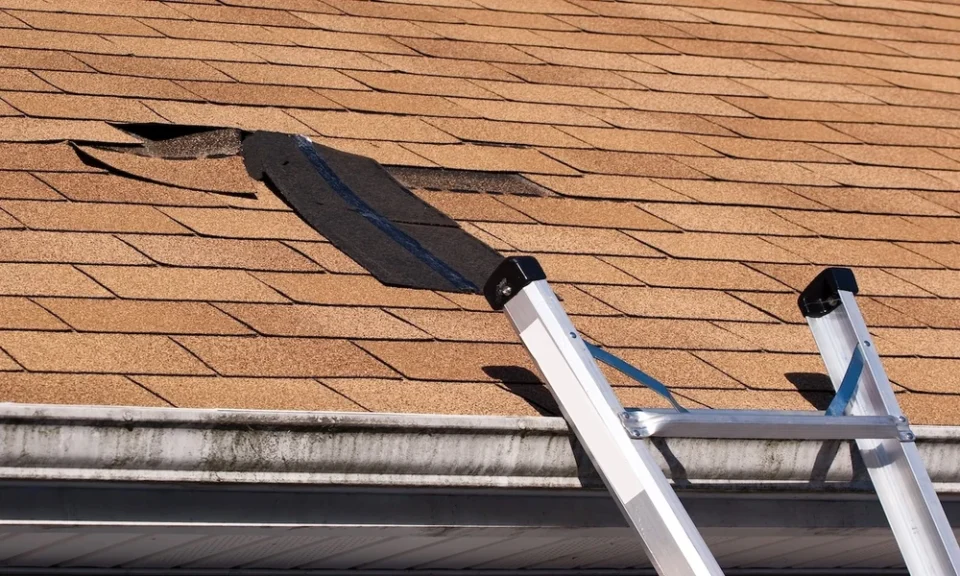
3. Lifted Shingles Give Strong Winds an Entry Point
Lifted shingles: Asphalt shingles that no longer lie securely against the roofing surface because of weakened adhesive bonds, poor fastening, or previous wind damage.
Why it deserves attention: Shingle attachment is particularly important during severe thunderstorms and hurricanes. Once wind catches an exposed edge, it may lift additional material and expose the underlayment. The Texas Department of Insurance’s hurricane preparation guidance recommends securing loose shingles and checking flashing around chimneys, skylights, and roof valleys before storms.
Repair priority: Have visibly lifted, creased, missing, or poorly attached shingles evaluated before the next significant storm.
Replace shingles that have creased or sustained physical damage.
Check nail placement and attachment condition.
Restore compatible starter or sealing details where appropriate.
When professional assessment matters: Several affected shingles may still allow localized repair. However, extensive wind damage, brittle materials, or repeated failures across multiple slopes can indicate that the roof covering has deteriorated beyond practical isolated repairs.
4. Exposed Fasteners Can Compromise Roof Attachments
Exposed fasteners: Roofing nails, screws, or other attachment components that are visible, loose, backed out, or inadequately protected from moisture.
Why it deserves attention: Fasteners help transfer forces from roofing materials into the supporting structure. Loose or deteriorated attachments can weaken resistance to wind uplift and create openings for rainwater. Metal roofing systems with exposed screws require particular attention to washer condition and fastener security. Improperly driven nails in asphalt shingles can also compromise attachment.
Repair priority: Investigate raised nail heads, deteriorated screw washers, corroded components, and visibly loose attachments.
Replace defective fasteners with appropriate compatible components.
Examine surrounding roofing material for enlarged holes or deterioration.
Restore waterproofing without creating additional penetrations.
When professional assessment matters: Fasteners showing widespread corrosion, repeated loosening, or movement within damaged decking require more than cosmetic attention. On coastal properties near Baytown and surrounding waterfront communities, moisture and salt exposure can make corrosion resistance an especially important material consideration.
5. Damaged Ridge Caps Leave the Roof Peak Vulnerable
Ridge caps: Specialized shingles or other covering components installed along the highest intersection of two roof slopes. They protect the ridge while completing the roof’s weather resistant covering.
Why it deserves attention: Ridge areas experience direct wind exposure. Cracked, poorly fastened, or missing ridge caps may expose joints between roof planes, allowing rainfall to reach the underlayment and decking. Strong thunderstorms can damage ridge materials even when shingles on the main roof slopes remain intact.
Repair priority: Look for missing ridge sections, raised edges, fractured caps, and exposed fasteners following high winds.
Replace broken or missing ridge caps.
Restore the appropriate fastening pattern.
Inspect ridge ventilation components where installed.
When professional assessment matters: A few missing caps may support straightforward repairs. However, widespread ridge damage, displaced ridge vents, or deteriorated supporting materials require a closer examination. Any repair must preserve the roof’s intended ventilation arrangement.
6. Debris Filled Valleys Can Turn Rainfall Into Roof Damage
Roof valleys: Channels formed where two roof slopes meet, concentrating rainfall toward the gutters.
Why it deserves attention: Leaves, branches, and accumulated sediment can obstruct water movement. During Houston’s intense thunderstorms, concentrated runoff may back up beneath surrounding shingles if valley drainage is restricted. Debris can also retain moisture against roofing materials, potentially accelerating deterioration in vulnerable areas. The Texas Department of Insurance’s roof repair guidance emphasizes sound decking, appropriate attachments, and correctly installed underlayment for roofs exposed to high winds and hail.
Repair priority: Clear accumulated debris and investigate valley sections showing damaged flashing, displaced shingles, or persistent moisture.
Remove leaves and branches without damaging the roof covering.
Inspect valley flashing and overlapping materials.
Replace deteriorated roofing sections or damaged metal components.
When professional assessment matters: Persistent leakage, corrosion, or soft decking around a valley can indicate that repairs must extend beneath the visible covering. In heavily wooded Houston neighborhoods, recurring debris accumulation may justify more frequent maintenance.
Planning Repairs Before and After Storm Season
Before severe weather: The Atlantic hurricane season runs from June 1 through November 30, but Houston also experiences damaging thunderstorms outside that period. Schedule inspections when conditions are safe and allow enough time for necessary repairs before approaching storms.
After wind or hail: Examine the property from ground level, document visible damage, and arrange professional assessment when materials appear displaced. Never climb onto a wet or potentially weakened roof.
Insurance considerations: Photograph damage, retain inspection findings, and review policy terms before assuming repairs will qualify for payment. Coverage, deductibles, and claim decisions depend on the individual policy and circumstances.
When repairs are insufficient: Localized damage to flashing, shingles, ridge caps, or fasteners often supports targeted work. Widespread deterioration, repeated leakage, extensive hail damage, or weakened decking may require a larger roofing project.
Conclusion
Roof preparation along the Texas Gulf Coast should concentrate on the components most likely to admit wind driven rain or lose their attachment during severe weather. Flashing, sealant joints, shingles, fasteners, ridge caps, and valleys all deserve attention because small defects in these locations can expose larger sections of the roofing assembly.
For Houston area homeowners, completing manageable repairs before hurricane season reduces avoidable vulnerabilities. When damage extends across multiple roof sections or affects underlying structural materials, a professional assessment can establish whether targeted repairs remain appropriate or broader roofing work is necessary.
